February 4, 2023 — I had a slow morning to start the day, and headed out on my adventures after lunch. I was planning to head to the Royal Botanic Gardens, since I’d heard they were beautiful. However, when I got off the tram at the station, I was sidetracked by the Shrine of Remembrance.
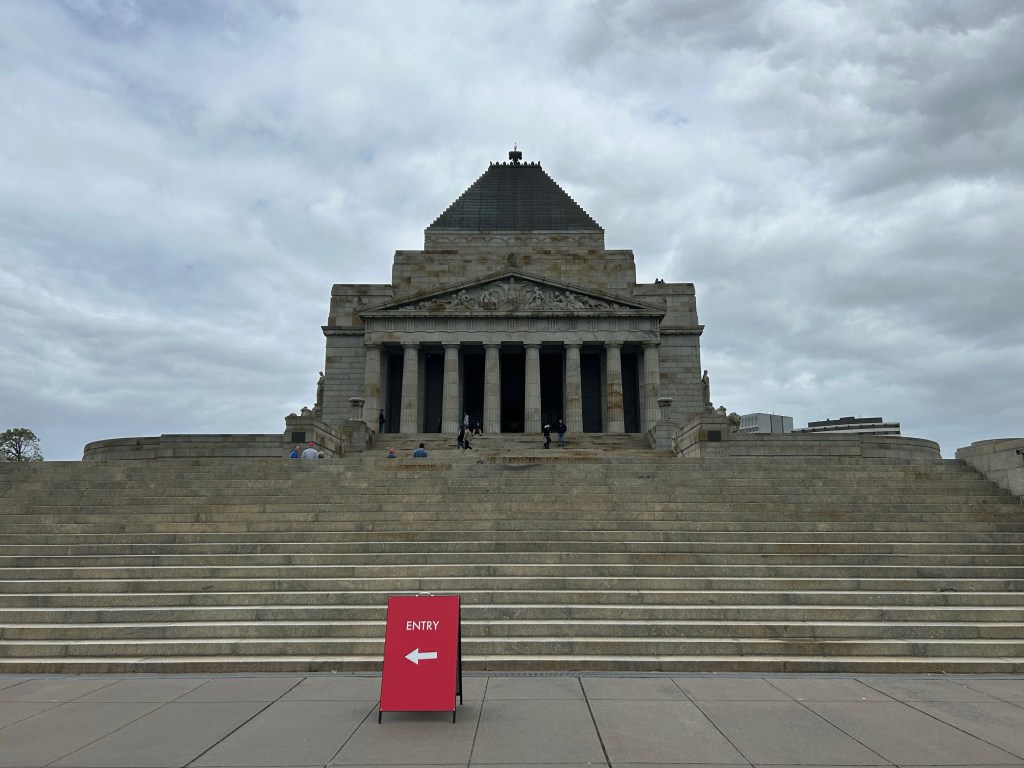
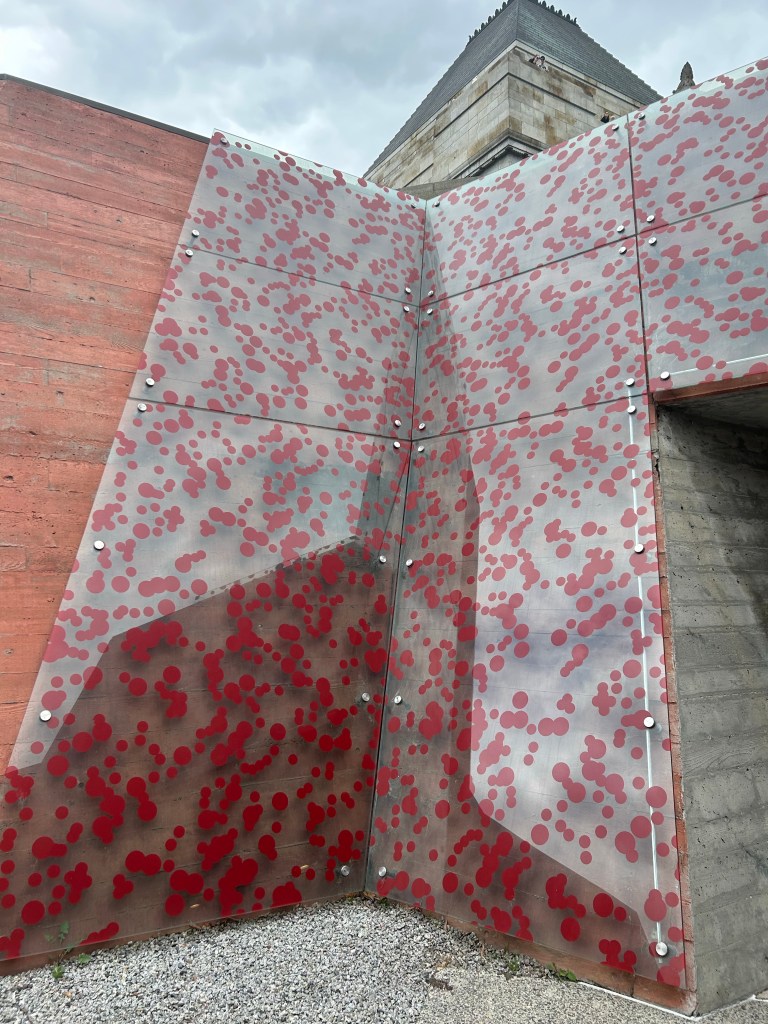

The Shrine of Remembrance was built after the First World War to commemorate those soldiers that fought in it. It has a large education centre on the lower level that details Australia’s military history from pre-WWI to peacekeeping times in the 21st century. I found the exhibits especially interesting because Australia, like Canada, is a member of the British Commonwealth, but being in such a different part of the world means that their military efforts are concentrated in different places and they have different interactions with other soldiers from other countries. One great example of this is Australia’s involvement in World War II. In Canadian history, we don’t talk very much about Japan’s role in WWII because we weren’t really involved in that battle. After Pearl Harbour was bombed, the United States really got involved in the war, and then we of course learn about the bombs that were dropped on Hiroshima and Nagasaki. But Australia’s army was really focused on the fight against Japan during World War II, from their entry on the scene in 1941 with the bombing of Pearl Harbour and invasions of Southeast Asia, to the end of the war when the United States dropped the atomic bombs. The war with Japan marked one of the first times that Australia focused on defence of its own country over sending aid to Britain and its allies. Australia also counted on lots of support from the United States, and American soldiers were involved in much of Australia’s campaign against Japan until the war’s conclusion.
The Shrine of Remembrance also houses exhibits talking about Indigenous and LGBTQ+ involvement in the military, plus exhibits about performers who go overseas for concerts and shows. These are really moving exhibits, and I think it’s wonderful that they are included here.
On top of its significance as a place of remembrance for fallen soldiers, the Shrine also boasts a beautiful view of the Melbourne city skyline, as you can see here.

After spending a couple hours at the Shrine of Remembrance, I did finally make my way over to the Royal Botanic Gardens, which are quite beautiful. I walked around for a little while and was able to see a couple notable areas, as shown below.
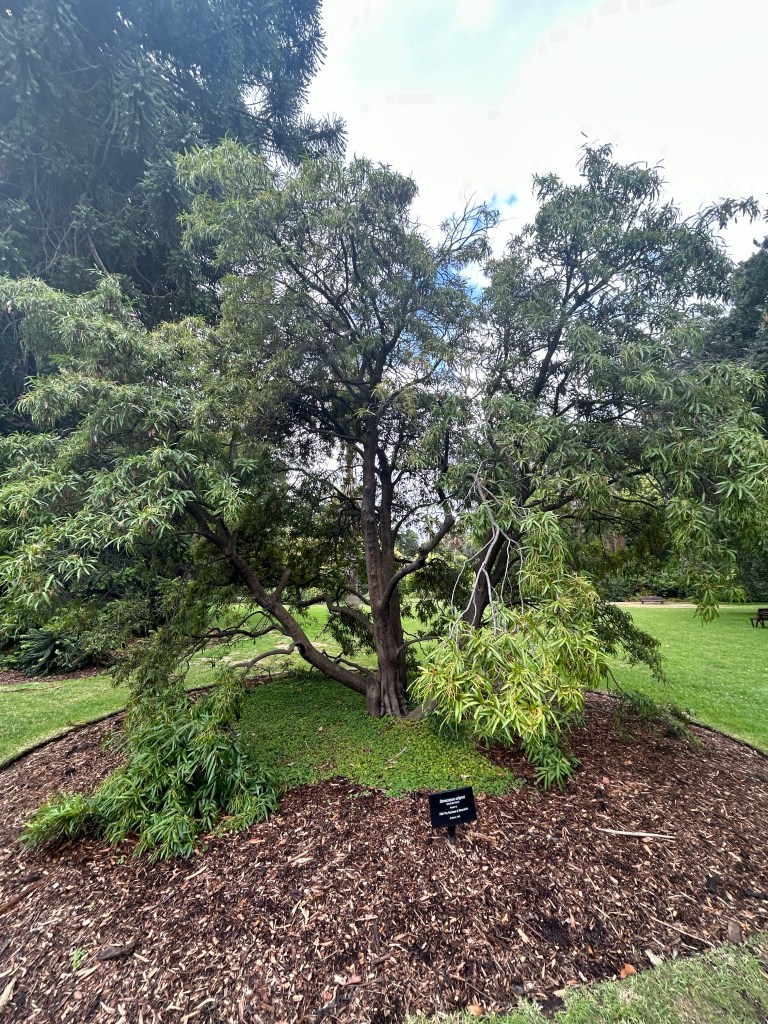
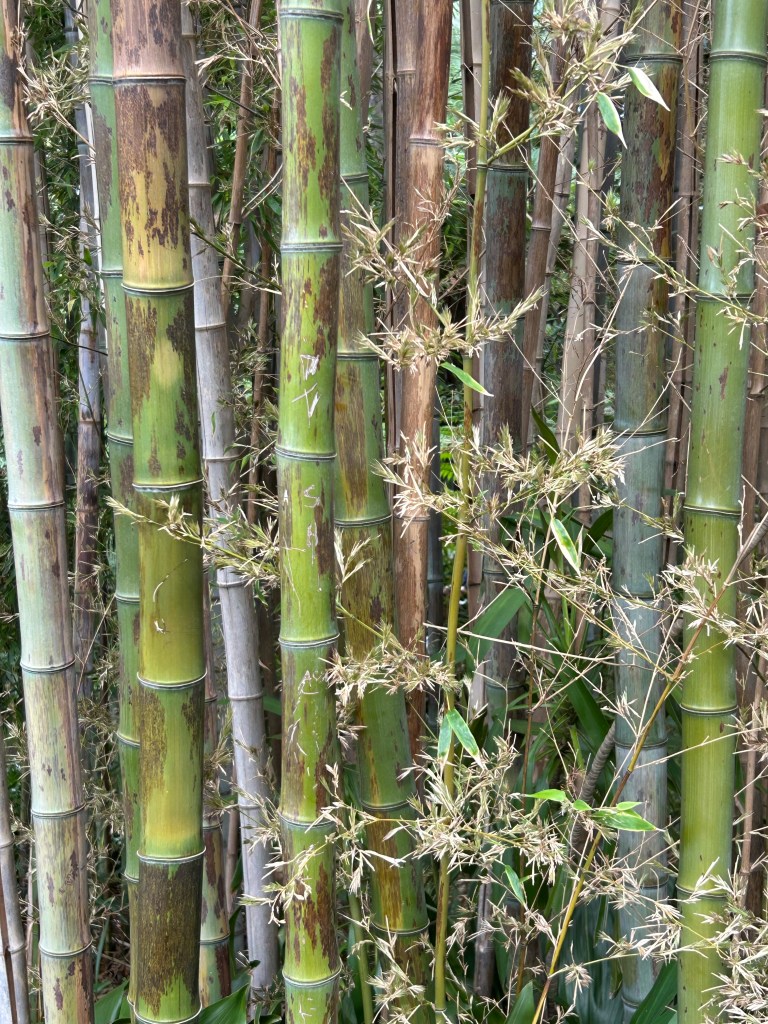
That night, I returned to my hostel for dinner in, and had a little wind-down time before heading to bed.
 CAIT AROUND THE WORLD
Leave a comment